
Launching a new product is one of the most ambitious things you can do. From the outside, it looks simple: come up with an idea, manufacture a product and sell it. In reality, the process is far more complex, involving layers of validation, testing, legal considerations, commercial strategy, and organisational readiness.
For many people, this process can feel chaotic: ideas come from every direction, priorities shift constantly, and decisions are driven by feelings rather than evidence. As an end-to-end innovation partner, we help organisations every day with their product development goals. It includes everything from discovery and research to prototyping, testing, building, launching, and continuously improving the product.
In this blog post, we’ll break down what an effective product development process looks like and key considerations to bear in mind.
Coming Up With An Idea
You’ve identified a problem, observed an inefficiency or spotted an opportunity. At this early stage:
- You’re working with assumptions about what customers might need.
- Your understanding of the market is surface-level.
- You have early thoughts on how the idea could work, but no proof.
Ideas are exciting at this stage, but they’re also unproven, can fail when they don’t evolve into something customers actually want, or the surrounding business, technology, or team isn’t mature enough to support them.
Determining Feasibility
Once you have an idea worth pursuing, it’s time to determine whether it’s possible, needed and viable.
Is it technologically possible?
The projects we work on involve developing technology that doesn’t yet exist or integrating technology into complex systems. Your idea might be great, but if it doesn’t work in a practical setting, you need to find out as quickly and cheaply as possible. Building a proof of concept is how we address this.
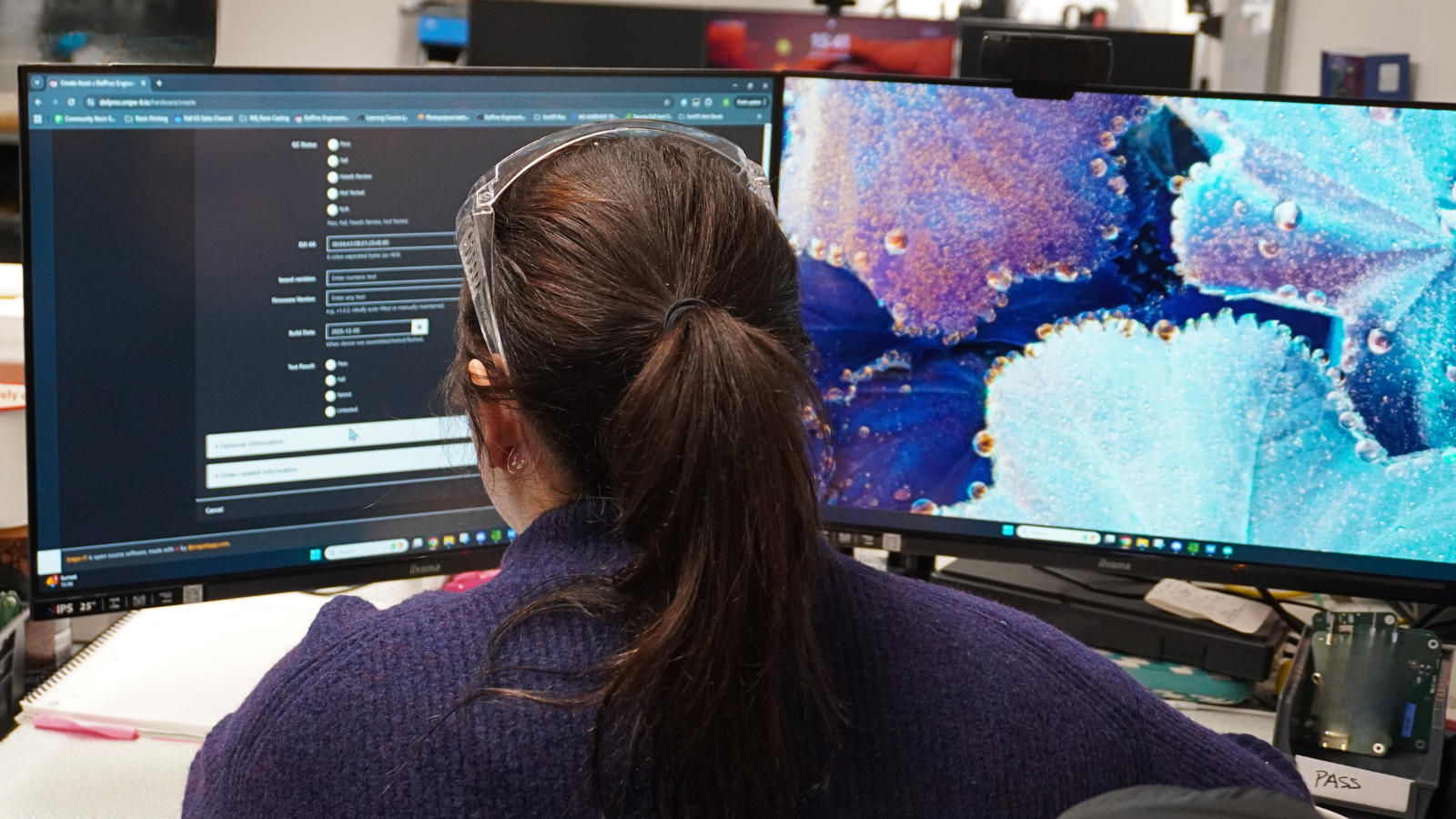
Building a proof of concept
A proof of concept is an experiment to check if your idea is feasible. Creating a proof of concept should address the following:
- What are you trying to solve?
- What are your measurable objectives?
- What core functionalities are required?
- What external input is needed?
Your proof of concept will be a basic device, but functional to the point that it can be tested and allow you to gather feedback on its performance. You can read more about how to create a proof of concept here.
Is there a genuine need?
You need to test your assumptions through real conversations with users, buyers, and industry experts. Relying solely on surveys and online research won’t give you the full picture. Once you identify the need, you can begin to refine who your customers are, the problems they face, and how your product solves them.
Is it commercially viable?
At this early stage, you don’t need a full financial model, but you should be aware of the following questions:
- Is there a gap in the market?
- Who are your competitors?
- Will your solution be cost-effective?
Testing the feasibility of your idea usually reveals more questions than answers. However, capability gaps, such as technical skills, market expertise, industry contacts and funding, are better addressed early in the process while risks are low.
Prototyping
Once an idea survives the feasibility stage, innovation enters one of its most defining phases: prototyping. This is where concepts become tangible. Drawing on everything learned during the design stage, teams begin building a functional, reliable, and scalable version of the product.
A prototype is an opportunity to see how your idea can work as a product. That’s why this stage focuses heavily on testing core functionality in conditions that resemble real-world use. Teams evaluate:
- Whether the prototype works in real or simulated environments
- How it behaves under stress, such as heavy load or unusual user behaviour
- Whether integrations hold up, including third-party services, hardware, or internal systems
- What fails and why, so that the team can diagnose problems early and iterate quickly.
User testing also begins here, but at a smaller scale. Early users are asked to try the prototype to measure if the experience matches expectations. While the prototype might not include all intended features, it should operate similarly to the final product and provide an accurate sense of how it will feel to use.

A common challenge at this stage is gravitating toward the visual aspects, such as the look, polish, and interface behaviour. However, focusing heavily on aesthetics too early can hide deeper functional issues that are difficult to fix later. For that reason, a functionality-first approach is crucial. Reliability, stability, and performance must come before visual refinement. It allows your prototype to become an effective tool for learning, iteration, and building a product that’s both beautiful and viable.
Testing
Although testing occurs throughout earlier stages, the formal testing stage begins as you approach the final design freeze. At this point, you’re no longer just validating ideas or functional assumptions. You’re preparing the product, business model and organisation for real-world launch.
Customer Testing: Real Users, Real Behaviours, Real Insights
Once the prototype has proven fully functional, testing shifts to understanding how customers use the product in realistic environments. You can assess market demand, gather genuine feedback, and observe natural behaviour to learn:
- How people use the product day-to-day
- Where they encounter friction or confusion
- What needs refining before large-scale production?
By targeting actual users, rather than internal testers or small, controlled groups, you gain insights that can directly influence tweaks before committing to manufacturing at scale.
Business Testing: Moving Beyond Theory
At this stage, you’re focused on whether the commercial model is viable in practice. Key questions include:
- Are people willing to pay?
- What price makes sense for them and for you?
- Does your cost structure still hold up towards production?
- Can suppliers deliver what you need, consistently and reliably?
Pilot sales, early pre-orders, and small-scale deployments provide critical signals. They help confirm if revenue projections are realistic and whether operations can scale sustainably.
Regulatory Testing: Discovering What Compliance Requires
For non-technical teams, regulatory expectations may only become fully visible when formal testing begins. Teams may uncover new or more complex requirements related to:
- Data protection
- Product safety standards
- Environmental or sustainability obligations
- Circular economy or right-to-repair rules.
These aren’t just checkboxes. They can influence core design choices, manufacturing methods, materials, timelines, and even features. Compliance becomes a driving force in the product’s final form.
Team & Funding: Proving Organisational Readiness
As testing intensifies, your team begins to operate like a fully formed organisation rather than a development group. Responsibilities expand to include:
- Coordinating ongoing development
- Managing and responding to customer feedback
- Planning production and supply chain operations
- Preparing for commercial rollout.
Significant investment is required to progress beyond prototypes and pilot deployments. It’s crucial that funding is secured and that your team can execute at this level to move successfully into manufacturing and market launch.
Working With DefProc: Reducing Risk Before You Reach This Stage
If you work with an innovation partner like DefProc from the beginning, these challenges will have been anticipated and accounted for. We build regulatory considerations, market realities, technical constraints, and organisational needs into the earliest design stages, reducing surprises and making the testing stage far less overwhelming.
Scale and Launch
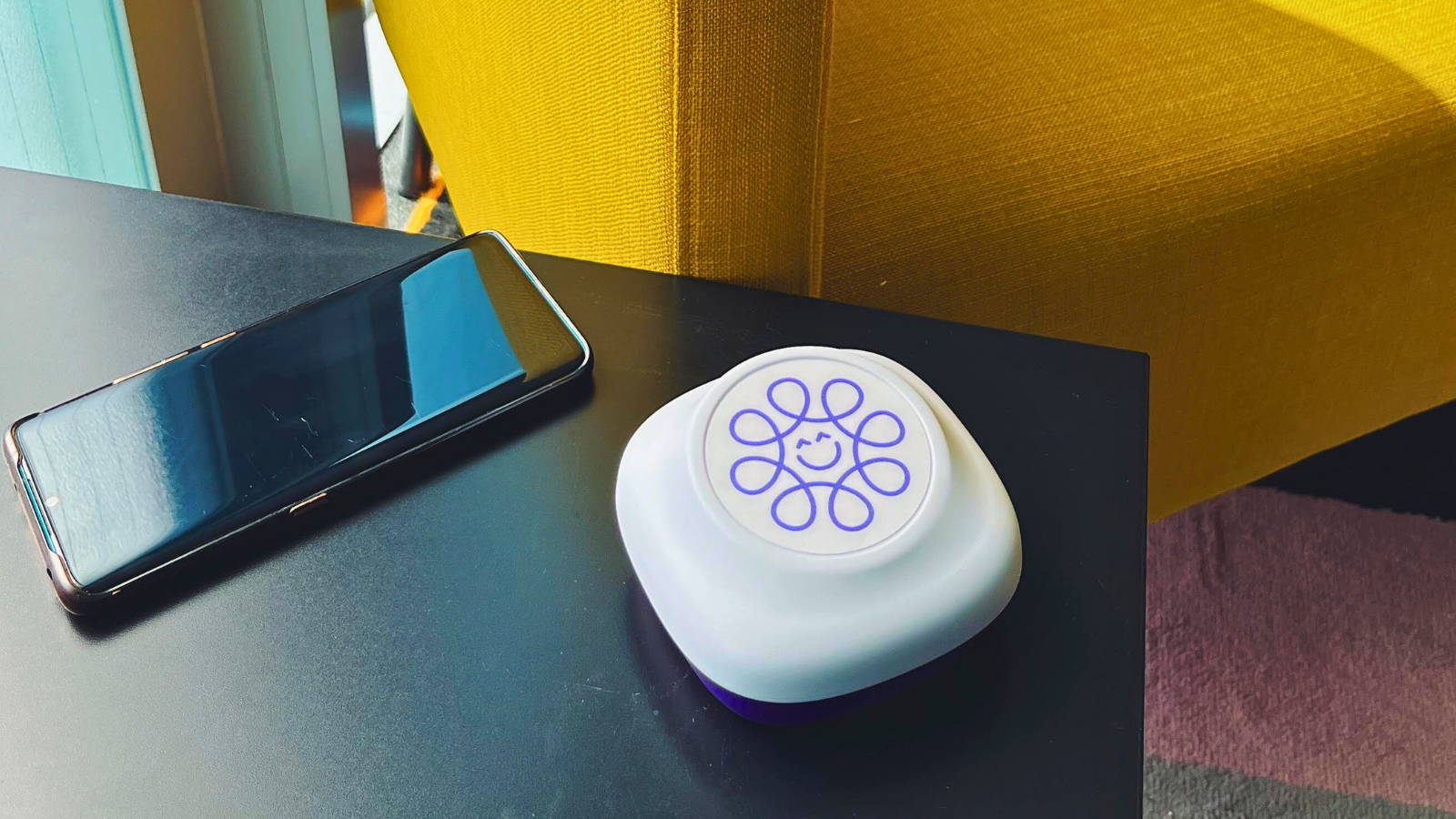
Launch happens when the product, the business, the technology, and the organisation reach a level of maturity where everything can function reliably under real-world demand.
How can you best prepare for this?
Your technology should:
- Work under expected conditions
- Integrate reliably into the relevant systems
- Meet performance and security requirements
- Be manufacturable or deployable at scale.
Customers should be ready and reachable. This means having:
- Early users who prove the product delivers real value.
- A repeatable and predictable sales process, including the ability to acquire and support customers efficiently.
Ensure your business model holds up by:
- Having a firm understanding of your product’s costs and margins
- Stabilising your supply chain
- Gathering evidence that your business can scale sustainably.
Solidify your IP and compliance groundwork by checking:
- Key intellectual property is protected
- You’re clear on freedom to operate (your product doesn’t infringe on others’ IP)
- You meet all the regulatory and legal requirements.
Prepare your company for scale through:
- Having processes in place for support, sales, monitoring and iteration
- Securing funding to sustain operations after launch
- Defining roles and responsibilities for the relevant teams to nurture strong leadership.
When a product is finally ready for commercial release, it’s natural that you want to move as quickly as possible. However, if any of the above elements aren’t fully defined, you risk jeopardising all your hard work.
Key factors that complicate product development
To recap, here are several considerations that make the process more challenging, and things you should aim to mitigate as early on in the process as possible.
- Technology gaps: Sometimes the technology you need doesn’t exist yet, or it’s immature, unstable or expensive. Other times, the hard part isn’t building your product, but knowing how to integrate it with existing systems.
- Scalability: Costs can quickly spiral as you scale. It’s important to understand the full scope of your product’s requirements as you begin to grow. Can you gain a firm grasp of the market? Do you know how to get from 5 products to 5000? Engaging with a technical partner like DefProc early on can help with this.
- Future proofing: Design decisions you make at the start of the process will influence long-term maintainability, the cost of refinements, environmental footprint, regulatory requirements and market positioning.
- Compliance and regulation: Depending on the market you’re entering, you might need to navigate safety certifications, data privacy laws, environmental obligations and industry-specific standards. Discovering these too late can have a detrimental impact on your timelines and budget.
- In-house vs. outsourcing: Deciding what to build in-house vs. outsourcing can affect speed, cost, IP ownership, technical risk and competitive advantage.
If you’re planning your next innovation project, don’t let hidden technical challenges slow you down. From technology gaps and scalability traps to future-proofing and compliance hurdles, the right decisions early on can make or break your product. If you want a technical partner to help you navigate complexity, reduce risk and accelerate delivery, get in touch with us.